A cultural approach for those curious about history and traditions
You're in Seville, and you hear about bullfighting everywhere—on the tiles, in street names, in bar conversations. Yet, the idea of attending a bullfight makes you uneasy. Good news: you can understand this tradition without ever sitting in an arena.
A culture before it is a spectacle
In Andalusia, bullfighting is a social phenomenon that permeates history, architecture, painting, poetry, and gastronomy. It has shaped the calendar of festivals, everyday vocabulary, and even the landscape: the dehesa, this open meadow dotted with oak trees, exists largely because breeders raise fighting bulls there in semi-freedom.
Understanding this culture means delving into a whole facet of Andalusian identity, far beyond the arena. It also means accepting that a subject can be controversial and deserves to be understood.
Observing without agreeing: other examples
You have probably already had this open-minded reflex elsewhere.
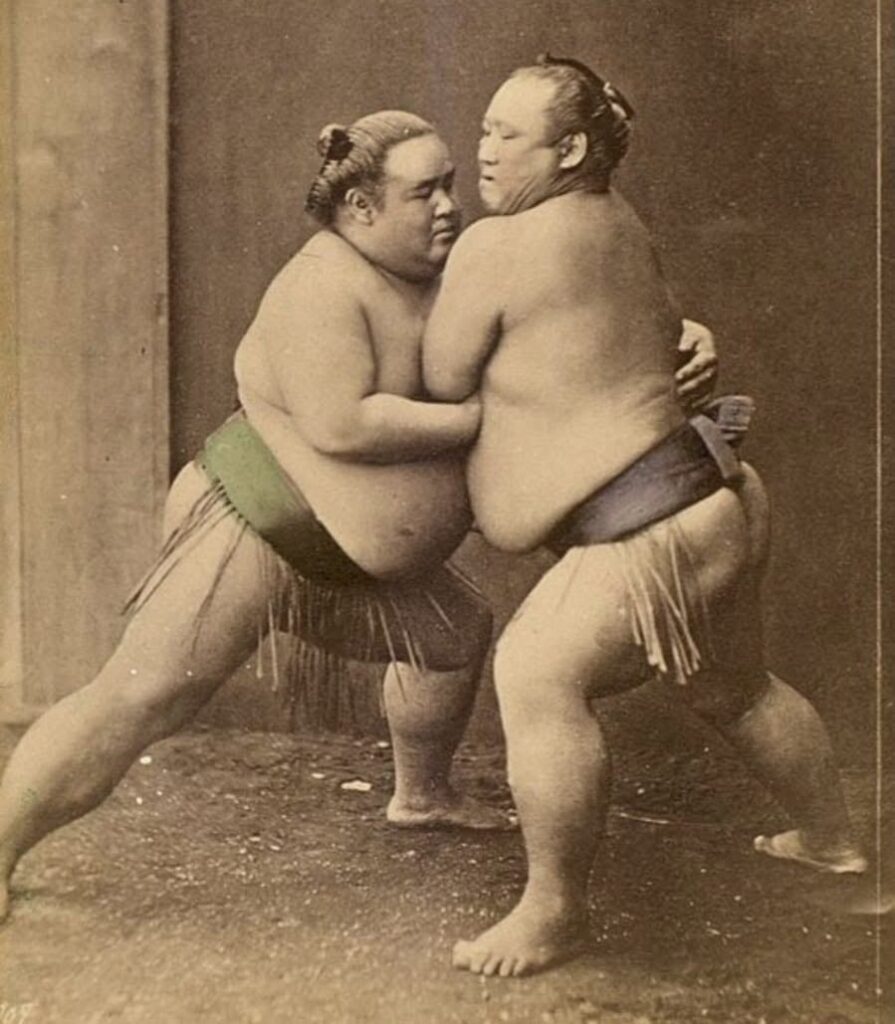
Sumo in Japan. Many travelers attend a training session at a sumo stable or visit a Shinto shrine connected to the sport. There, they discover a world of rituals: the purification of the ring with salt, the strict hierarchy, the disciplined lifestyle of the wrestlers. You don't need to be a sumo fan to understand what it reveals about Japanese society.
The Hindu temple. When visiting a temple in India, one removes shoes and observes the offerings and rituals respectfully, even without being Hindu oneself. The visitor is not there to approve of each practice, but to understand what it means to those who experience it.
In all three cases, the approach is the same: understand before judging, and form your opinion with full knowledge of the facts.
The fighting bull, a gateway without an arena
To understand bullfighting, the most enlightening starting point is not the arena but the ranch. The fighting bull is a breed selected over centuries, living for several years outdoors on vast expanses of land. Encountering this animal in its environment means understanding the rural economy, the ecology of the dehesa, and the close bond between the rancher and his herd.
This is precisely what the Campo Bravo Tours offer: a discovery of the cattle ranch, where history, genetics, know-how, and landscape are discussed, without any killing. You ask your questions, including the most critical ones, and you leave with a more nuanced understanding.
A debate that deserves to be understood
Let's be honest: bullfighting is divisive, in Spain as elsewhere. Its defenders see it as a cultural heritage and a driver for preserving an ecosystem. Its detractors see it as unjustifiable animal suffering. Our tour doesn't ask you to take sides. It gives you the tools to understand each side's arguments.
In Summary
Understanding Andalusian bullfighting means reading a part of its history, its landscapes, and its values. Like visiting a Hindu temple or a sumo stable, one can be interested in it with curiosity and respect, without necessarily subscribing to it.
Want to discover this culture from the inside? Book your visit to Campo Bravo, less than half an hour from Seville.